
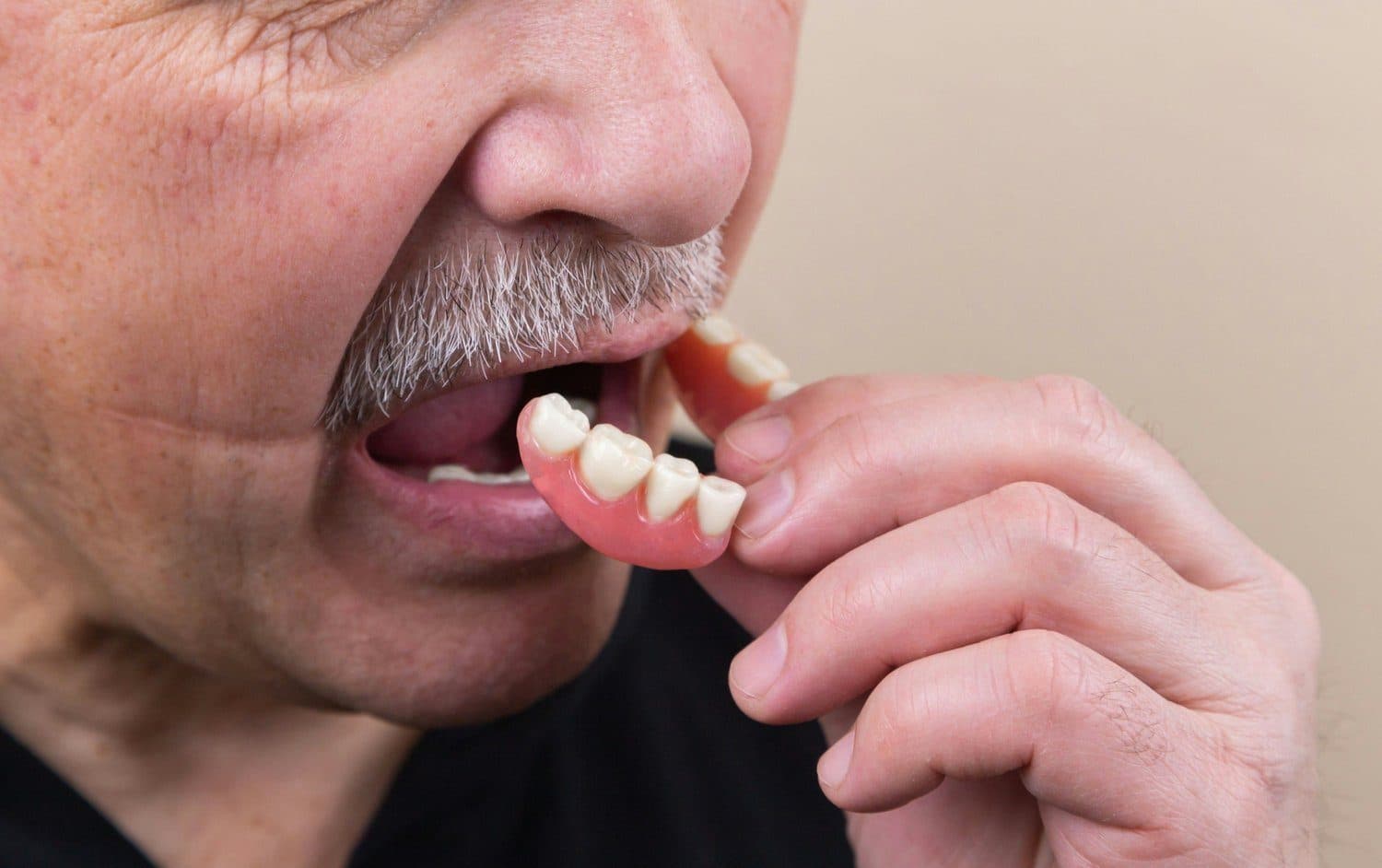
Missing teeth are more than a cosmetic issue. They can affect your oral health, your ability to chew, and even your self-confidence. The good news is that modern dentistry has many ways to replace missing teeth. Each has its own benefits and things to think about.
In this blog, we walk you through the most common options. These include dental implants, bridges, dentures, and more. Knowing your options can help you choose the right treatment for your needs.
1. Dental Implants
What Are Dental Implants?
Dental implants are titanium posts. They are placed into your jawbone with surgery and act as artificial tooth roots. Over time, the bone joins with the titanium. This gives a steady base for a crown, bridge, or denture.
Benefits of Dental Implants:
- Longevity: Implants are made to be a long-term fix. With good care, they can often last a lifetime.
- Stability: They are anchored in the jawbone. So they feel secure and natural, much like your own teeth.
- Bone Health: Implants help stop the bone loss in the jaw that can happen when teeth are missing.
- Aesthetics: Implants are made to look and work like natural teeth. This can give an excellent cosmetic result.
Considerations:
- Surgical Procedure: The process involves surgery. You may need time to heal before your final crown is placed.
- Cost: Implants often cost more than other ways to replace teeth. But they are seen as an investment because they are so durable.
2. Dental Bridges
What Are Dental Bridges?
A dental bridge is a device that replaces one or more missing teeth. It anchors onto the natural teeth beside the gap, or onto implants. The bridge has one or more artificial teeth that fill the gap. Crowns on the teeth around the gap hold it up.
Benefits of Dental Bridges:
- Functionality: Bridges let you chew and speak properly again.
- Aesthetics: Modern bridges are made to blend smoothly with your natural teeth.
- Non-Surgical: Unlike implants, bridges do not need surgery. This makes them a less invasive option.
Considerations:
- Effect on Adjacent Teeth: The teeth next to the gap must be filed down to hold the bridge. Over time, this can weaken them.
- Longevity: Bridges usually last 10-15 years. How long yours lasts depends on how well you care for it.
- Bone Loss: Bridges do not stop bone loss in the jaw. This is because they do not replace the tooth root.
3. Dentures
What Are Dentures?
Dentures are removable devices that replace missing teeth. There are two main types. Complete dentures are for people missing all of their teeth. Partial dentures are for people missing some teeth.
Benefits of Dentures:
- Affordability: Dentures usually cost less than implants and bridges.
- Non-Invasive: Dentures need no surgery. So they are an option for people who cannot have surgery.
Considerations:
- Stability: Dentures can slip or move. This is most likely when you eat or speak. You may need adhesive or an adjustment.
- Maintenance: Dentures need regular cleaning and care, which keeps them in good shape.
- Bone Loss: Like bridges, dentures do not stop bone loss in the jaw.
4. Implant-Supported Dentures
What Are Implant-Supported Dentures?
They give you the benefits of both implants and dentures. They are dentures held in place by implants. The implants sit in your jawbone. This gives more stability than traditional dentures.
Benefits of these dentures:
- Enhanced Stability: These dentures are more secure. They are less likely to slip or move.
- Improved Comfort: The implants give support. This reduces gum irritation and discomfort.
- Bone Health: These dentures help stop bone loss in the jaw.
Considerations:
- Surgical Procedure: You will need implant surgery, the same as for dental implants.
- Cost: They usually cost more than traditional dentures. This is because of the cost of the implants.
5. Removable Partial Dentures
What Are Removable Partial Dentures?
Removable partial dentures replace a few missing teeth. Clasps that attach to the natural teeth around the gap hold them in place.
Benefits of Removable Partial Dentures:
- Affordability: They cost less than implants and fixed bridges.
- Non-Invasive: They need no surgery. So they are an option for many people.
- Customizable: They can be made to fit comfortably and look natural.
Considerations:
- Stability: They may not be as stable as fixed options. They can move when you eat or speak.
- Bone Loss: Like other non-implant options, they do not stop bone loss in the jaw.
- Aesthetics: The metal clasps that hold the denture may show. This can change how it looks.
6. Flipper (Temporary Partial Denture)
What Is a Flipper?
A flipper is a temporary partial denture. You wear it for a short time while you wait for a more permanent tooth replacement, such as an implant or bridge.
Benefits of Flippers:
- Cost-Effective: A flipper is cheap and quick to make. It gives a temporary fix for missing teeth.
- Convenient: You can easily take it out and clean it.
- Aesthetic: It helps keep your smile looking good while you wait for permanent treatment.
Considerations:
- Durability: A flipper is not meant to be a long-term fix. It is less durable than other options.
- Stability: It may not fit as securely as more permanent fixes.
- Bone Health: It does not stop bone loss in the jaw.
Conclusion: Finding the Right Solution for You
Choosing the right way to replace missing teeth is a big decision, and it depends on many things. These include your oral health, your budget, and what you prefer. Dental implants are often the gold standard because they last long and help bone health.
But bridges, dentures, and other options also have value, depending on your needs. Talking with your dentist is a good way to explore your options. Together you can find the most suitable treatment plan to restore your smile and how your mouth works.
If you are dealing with missing teeth, please contact our office to book a consultation. Our experienced team will help you find the right solution to restore your smile and confidence.